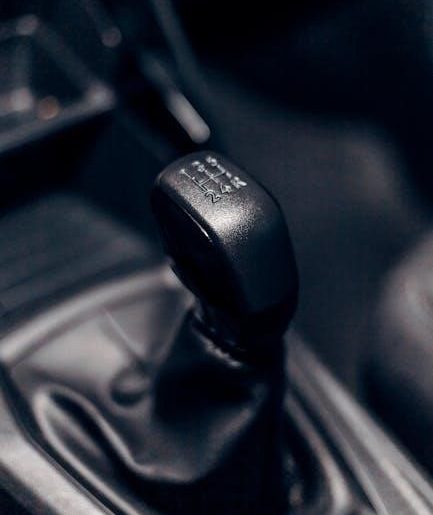
Rear-wheel drive (RWD) paired with a manual transmission delivers a uniquely engaging driving experience‚ blending control‚ performance‚ and a direct connection to the road.
What is RWD and Why Choose Manual?
Rear-wheel drive (RWD) signifies that power is delivered to the rear wheels‚ a configuration historically favored in sports cars and performance sedans. This layout often contributes to balanced handling and a more dynamic driving feel. Choosing a manual transmission alongside RWD amplifies driver engagement‚ granting complete control over gear selection and engine speed.
Modern sports sedans‚ when executed well‚ offer an exceptional blend of speed and practicality. While sporty SUVs excel off-road‚ they often compromise efficiency and handling. A manual RWD setup provides a purist driving experience‚ demanding skill and rewarding precision‚ fostering a deeper connection between driver and machine.

Understanding RWD Dynamics
RWD dynamics center around rear-wheel traction‚ influencing handling characteristics; mastering throttle control is crucial to prevent oversteer and maximize performance.
The Basics of Rear-Wheel Drive
Rear-wheel drive (RWD) systems transmit engine power to the rear wheels‚ fundamentally altering a car’s handling balance. Unlike front-wheel drive‚ RWD doesn’t combine steering and driving functions at the front axle‚ offering distinct advantages. This separation allows for more precise steering and improved cornering capabilities‚ as the front wheels focus solely on direction.
However‚ RWD cars can be more challenging to control in slippery conditions‚ requiring careful throttle modulation to avoid wheelspin and maintain stability. The rear tires are responsible for both propulsion and maintaining grip‚ demanding a nuanced understanding of weight transfer and traction limits. Modern RWD vehicles often incorporate traction control systems to mitigate these challenges.
How a Manual Transmission Works with RWD
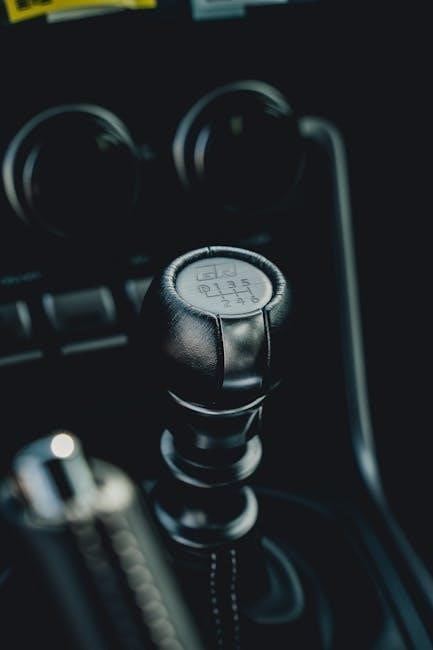
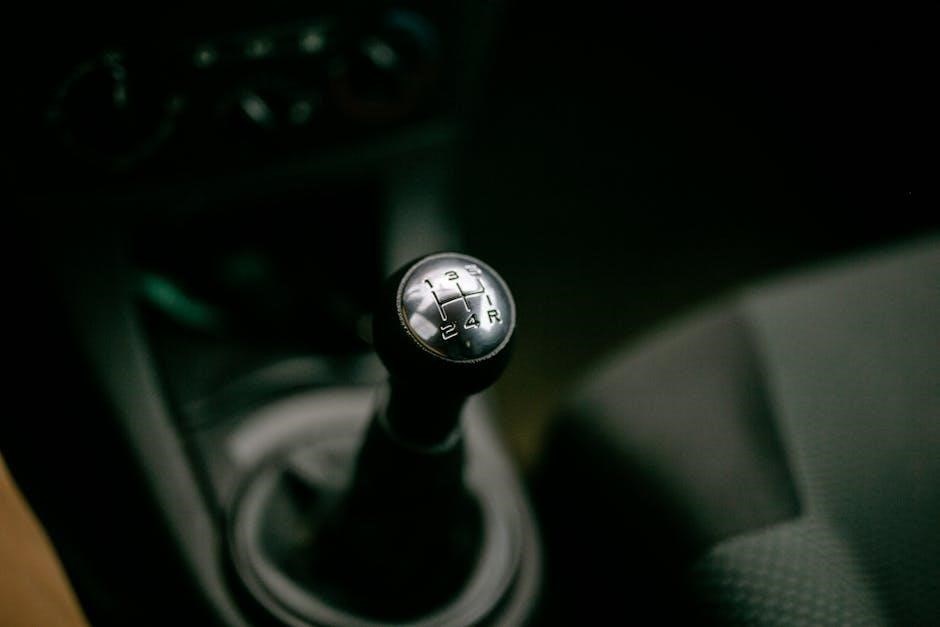
A manual transmission in a rear-wheel drive car directly links the driver to the engine’s power delivery. The driver selects gears using a shift lever‚ controlling engine RPM and torque sent to the rear wheels via a driveshaft. This mechanical connection provides a heightened sense of control and engagement‚ allowing for precise gear selection based on driving conditions.
The clutch disengages the engine from the transmission during shifts‚ preventing gear grinding. Mastering smooth clutch and throttle coordination is crucial for seamless gear changes and optimal performance. This system demands active driver participation‚ enhancing the driving experience and fostering a deeper understanding of vehicle dynamics.
Driving Techniques for RWD Manual Cars
RWD manual cars demand finesse; smooth acceleration‚ precise throttle control‚ and mindful shifting are key to maximizing performance and avoiding unwanted slides.
Smooth Acceleration and Throttle Control
Mastering throttle control is paramount in a rear-wheel drive manual car. Avoid abrupt inputs‚ especially during cornering‚ as this can easily upset the balance and induce oversteer. Gentle‚ progressive acceleration allows for optimal traction and predictable handling.
Be mindful of the clutch engagement point; releasing it too quickly can cause wheelspin‚ while holding it for too long wastes power. Smoothly modulate the throttle to maintain a consistent power delivery‚ particularly when transitioning between gears. Remember‚ slower in‚ faster out is a good mantra for cornering‚ requiring delicate throttle adjustments.
Rough shifting or sudden throttle changes disrupt the car’s weight transfer‚ making it harder to control. Practice smooth‚ deliberate movements to maintain stability and maximize grip;
Cornering Techniques: Avoiding Oversteer
Oversteer‚ where the rear of the car loses grip‚ is a common characteristic of RWD vehicles. To mitigate this‚ prioritize smooth inputs; Avoid abrupt steering‚ braking‚ or throttle changes mid-corner. A gentle lift of the throttle can help regain control‚ but avoid sudden movements.
Entering a corner‚ reduce speed before turning in‚ and maintain a consistent throttle through the apex. Steering should be smooth and progressive‚ avoiding sharp corrections. Remember‚ rear tires dictate direction‚ so respect their limits.
Understanding weight transfer is crucial; braking shifts weight forward‚ while acceleration shifts it rearward. Use this to your advantage‚ but always maintain control.
Proper Shifting for Optimal Performance
RWD manual cars thrive on precise shifting. Rev-matching – adjusting engine speed to match wheel speed during downshifts – is vital for smooth transitions and preventing unsettling weight shifts. Avoid “rough shifting” as it disrupts balance and can induce wheelspin.
Accelerate smoothly through gears‚ avoiding abrupt clutch engagement. Upshifting should be clean and deliberate‚ maintaining momentum. Downshifting allows for better control and engine braking‚ especially before corners.
Consider the engine’s powerband; keep the RPMs within the optimal range for maximum acceleration and control. Practice makes perfect – smooth‚ precise shifts enhance the driving experience.
RWD Manual Car Maintenance
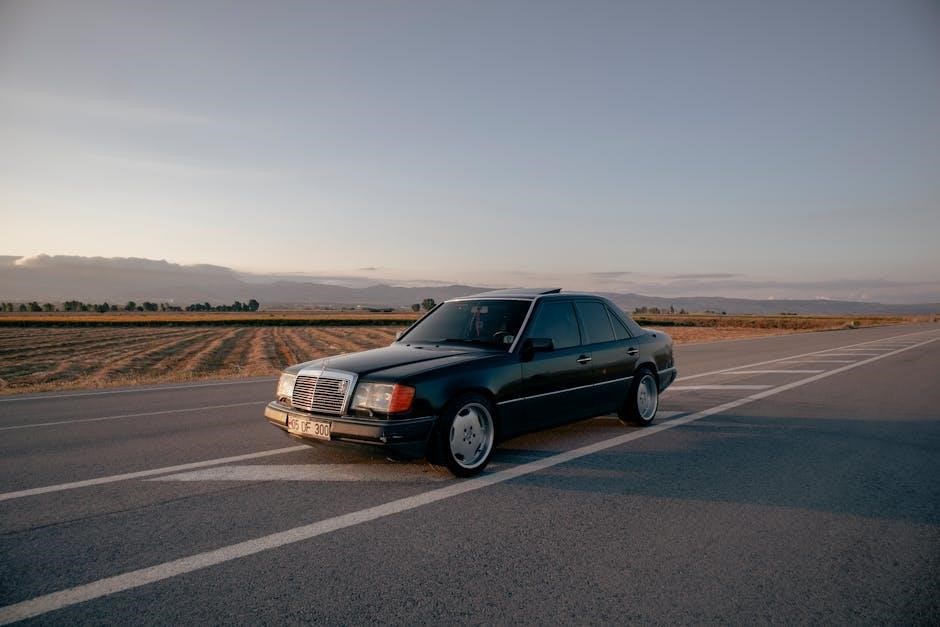
Regular maintenance is crucial for RWD manual cars‚ encompassing wheel alignment‚ clutch checks‚ and consistent gearbox oil changes to ensure peak performance.
Importance of Wheel Alignment
Proper wheel alignment is absolutely vital for RWD manual cars‚ significantly impacting handling‚ tire wear‚ and overall driving enjoyment. Misalignment introduces uneven stress‚ causing premature tire degradation and potentially compromising stability‚ especially during spirited driving. Ensuring all four wheels are correctly aligned—toe‚ camber‚ and caster—optimizes cornering ability and straight-line tracking.
As highlighted‚ unaligned wheels can ruin the car’s feel and even negatively affect performance. Regular alignment checks‚ particularly after hitting potholes or experiencing suspension work‚ are a proactive step towards maintaining a responsive and safe driving experience. Prioritizing alignment contributes to a more predictable and controlled ride;
Clutch Maintenance and Adjustment
Clutch health is paramount in a RWD manual car‚ directly influencing smooth gear changes and overall drivetrain efficiency. Regular inspection for wear and tear is crucial‚ alongside proper adjustment to ensure optimal engagement and disengagement. Avoid “riding” the clutch‚ as this accelerates wear.
Over-acceleration during turns‚ as cautioned‚ can also strain the clutch. Smooth driving‚ with controlled throttle input‚ minimizes stress. If you experience slipping or difficulty selecting gears‚ immediate attention is needed. Maintaining a properly adjusted clutch enhances driving pleasure and prevents costly repairs down the line.
Regular Gearbox Oil Changes
Consistent gearbox oil changes are vital for the longevity of a RWD manual transmission. The oil lubricates gears‚ reducing friction and wear‚ and helps dissipate heat generated during operation. Neglecting this maintenance can lead to premature component failure and costly repairs.
Follow the manufacturer’s recommended service intervals‚ considering driving conditions – more frequent changes are advisable for spirited driving. Using the correct oil type is also essential. Smooth driving‚ avoiding rough shifting‚ further protects the gearbox. Regular oil checks and timely replacements ensure optimal performance and reliability.
RWD Manual Cars in Different Conditions
RWD manual cars demand adjusted driving techniques based on weather; snow and ice require extra caution and gentle inputs for control.
Driving in Wet Weather
Driving a rear-wheel drive manual car in wet conditions requires heightened awareness and smoother inputs. Reduced traction is the primary concern‚ making acceleration‚ braking‚ and steering more challenging. Avoid sudden movements; gentle throttle application minimizes wheelspin‚ while progressive braking prevents lock-up.
Downshifting should be done smoothly to maintain control. Wider steering arcs and reduced speeds are crucial for safe cornering. Be mindful of standing water‚ which can lead to hydroplaning – a loss of contact between tires and the road. Maintaining a greater following distance provides extra reaction time‚ enhancing overall safety in wet weather.
Driving in Snow and Ice
Navigating snowy or icy conditions with a rear-wheel drive manual car demands extreme caution and adapted techniques. Traction is severely compromised‚ increasing the risk of skids and loss of control. Gentle acceleration is paramount; avoid abrupt throttle inputs that can induce wheelspin.
Start in a higher gear to minimize wheel disturbance. Smooth‚ deliberate steering corrections are essential‚ and braking should be done incrementally. Consider using snow tires for significantly improved grip. Light gas application while turning can help maintain momentum‚ but avoid overcorrection. Prioritize slow speeds and increased following distances for enhanced safety.
Safe Driving Practices for Beginners
Learning to drive a rear-wheel drive manual car requires patience and a focus on fundamental skills. Begin in a spacious‚ empty area to master clutch control and smooth gear changes. Practice gentle acceleration and avoid abrupt throttle applications‚ which can easily lead to wheelspin.
Steering inputs should be smooth and deliberate. Understand the car’s balance and how it responds to different inputs. Prioritize looking ahead and anticipating potential hazards. Gradually increase speed as confidence grows‚ always maintaining control. Seek guidance from an experienced driver for personalized instruction and feedback.

Popular RWD Manual Car Models
Numerous models offer the RWD manual experience‚ ranging from affordable sports cars delivering thrilling performance to powerful sedans blending practicality and speed.

Affordable Options
For enthusiasts on a budget‚ several RWD manual cars provide an engaging driving experience without breaking the bank. Mazda MX-5 Miata consistently appears as a top choice‚ celebrated for its nimble handling and accessible price point. The Toyota 86 (and Subaru BRZ‚ its twin) offers a similar blend of affordability and fun‚ boasting a responsive chassis and a willing engine.
Older BMW 3 Series models (E36 or E46 generations) can also be found at reasonable prices‚ delivering a classic RWD experience. These options allow drivers to enjoy the benefits of rear-wheel drive and a manual transmission without significant financial commitment‚ making them ideal entry points into this rewarding driving style.
Performance-Oriented Choices
For drivers seeking exhilarating performance‚ several RWD manual cars stand out. The BMW M2 offers a potent combination of power‚ agility‚ and driver engagement‚ consistently praised by automotive journalists. Porsche 718 Cayman provides a mid-engine RWD experience‚ delivering exceptional balance and precision.
The Chevrolet Corvette‚ particularly recent generations‚ delivers incredible performance for its price‚ with a powerful V8 and a responsive chassis. Ford Mustang GT‚ with its available manual transmission‚ remains a popular choice for muscle car enthusiasts. These vehicles represent the pinnacle of RWD manual performance‚ offering thrilling driving experiences on both the road and the track.
Advanced Techniques for Experienced Drivers
Mastering heel-toe downshifting and controlled drift (on a track) unlocks the full potential of a RWD manual car‚ demanding precision and skill.
Heel-Toe Downshifting
Heel-toe downshifting is an advanced technique for RWD manual cars‚ seamlessly blending braking and throttle control during downshifts. It prevents unsettling the car’s balance by maintaining engine speed‚ crucial for smooth cornering. The technique involves using the heel of your foot to blip the throttle while simultaneously braking with the toe.
This rev-matching action synchronizes engine RPM with the lower gear‚ minimizing driveline shock and preventing wheel hop. Mastering heel-toe requires practice‚ but it significantly enhances driving smoothness and control‚ especially during spirited driving or track use. It’s a hallmark of skilled RWD manual drivers.
Drift Control (for track use only)
Drift control‚ exclusively for closed-course track environments‚ utilizes the RWD manual car’s inherent characteristics to induce and manage controlled oversteer. Initiating a drift requires precise throttle modulation‚ steering input‚ and clutch control to break rear tire traction. Maintaining a drift demands constant corrections‚ balancing throttle and steering to sustain the angle.
This technique is highly demanding and requires extensive practice in a safe‚ controlled setting. It’s crucial to understand vehicle dynamics and have appropriate safety equipment. Never attempt drifting on public roads; it’s dangerous and illegal. Mastering drift control showcases advanced car control skills.

Safety Considerations for RWD Manual Cars
RWD manual cars demand attentive driving due to potential for oversteer; traction and stability control systems are vital safety aids for all drivers.
Traction Control Systems
Traction control systems (TCS) are crucial safety features in rear-wheel drive manual cars‚ especially for less experienced drivers. These systems mitigate wheelspin during acceleration by reducing engine power or applying brakes to spinning wheels. This helps maintain grip and directional stability‚ preventing loss of control. While TCS enhances safety‚ it shouldn’t be relied upon as a substitute for careful driving.
Understanding how TCS interacts with a manual transmission is key. Abrupt throttle inputs can still overwhelm the system‚ so smooth acceleration remains vital. Experienced drivers may choose to partially disable TCS on a track for greater control‚ but this requires advanced skills and should never be done on public roads. Always prioritize safe driving practices.
Understanding Vehicle Stability Control
Vehicle Stability Control (VSC) builds upon traction control‚ offering a more comprehensive safety net for rear-wheel drive manual cars. VSC detects and counteracts skidding by selectively braking individual wheels and adjusting engine power. It anticipates potential loss of control during cornering or sudden maneuvers‚ helping the driver maintain the intended path.
However‚ VSC isn’t foolproof. It can’t defy the laws of physics‚ and exceeding grip limits will still result in a slide. Smooth inputs and proper driving techniques are still paramount. While VSC provides an extra layer of security‚ it’s crucial to understand its limitations and prioritize responsible driving habits for optimal safety.
Troubleshooting Common Issues
RWD manual cars can experience wheelspin or clutch problems; addressing these promptly ensures optimal performance and prevents further damage to the drivetrain.
Dealing with Wheelspin
Wheelspin in a rear-wheel drive manual car often occurs during acceleration‚ especially on loose surfaces or when applying too much throttle. Smoothness is key; avoid abrupt inputs. Gently easing onto the accelerator provides better traction. If wheelspin happens mid-corner‚ do not aggressively lift off the throttle‚ as this can induce oversteer.
Instead‚ maintain a steady throttle or slightly reduce it‚ allowing the car to regain grip. Utilizing higher gears can also help control wheelspin by reducing the torque delivered to the rear wheels. Traction control systems‚ if equipped‚ can assist‚ but learning to manage throttle control is crucial for confident driving.
Addressing Clutch Problems
Clutch issues in a RWD manual car can range from simple adjustments to complete replacements. Slipping clutches‚ indicated by high engine RPMs with minimal acceleration‚ often require adjustment or a new clutch disc. Sticking clutches can make shifting difficult‚ potentially needing cable lubrication or master/slave cylinder repair.
Burning smells suggest excessive clutch wear. Proper clutch operation is vital; avoid “riding” the clutch‚ as this causes premature wear. Regular inspection and adjustment‚ alongside mindful driving habits‚ prolong clutch life. Ignoring clutch problems can lead to more extensive and costly repairs down the line.