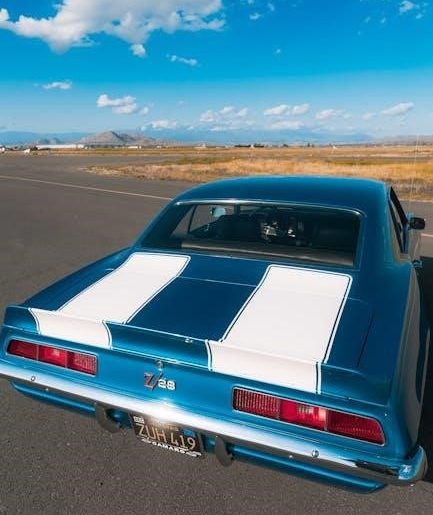
The 2010 Chevrolet Camaro, while iconic, presents several potential issues. This guide addresses common engine, electrical, transmission, and body problems reported by owners.
Overview of Common Issues
The 2010-2015 fifth-generation Camaro exhibits a range of recurring problems. Engine issues are prevalent, notably lifter failure – sometimes occurring repeatedly even after replacement, as seen in similar 5.3L engines. Cooling system leaks, specifically from the water pump, can lead to coolant loss. Owners frequently report oil consumption concerns.
Electrical gremlins include anti-theft system malfunctions with key recognition, and problems within the infotainment system. Sensor failures, like the boost pressure sensor, are also noted. Transmission issues range from overheating to, critically, output shaft failures in M6 transmissions. Finally, body concerns involve convertible top leaks and issues with seatbelt/airbag systems.
Tools and Resources Needed
Effective 2010 Camaro troubleshooting requires a solid toolkit. Essential items include a quality OBDII scanner to interpret diagnostic trouble codes (DTCs) like the P0171 code. Standard mechanic tools – sockets, wrenches, screwdrivers – are crucial. A multimeter is needed for electrical system diagnosis, particularly for battery and sensor testing.
Access to repair information is vital. Online forums and communities dedicated to the Camaro provide valuable shared experiences and advice. Detailed repair manuals and wiring diagrams, either physical or digital, are indispensable. A fluid extractor can aid in assessing transmission fluid condition. Finally, a reliable source for replacement parts is essential for timely repairs.

Engine Troubleshooting
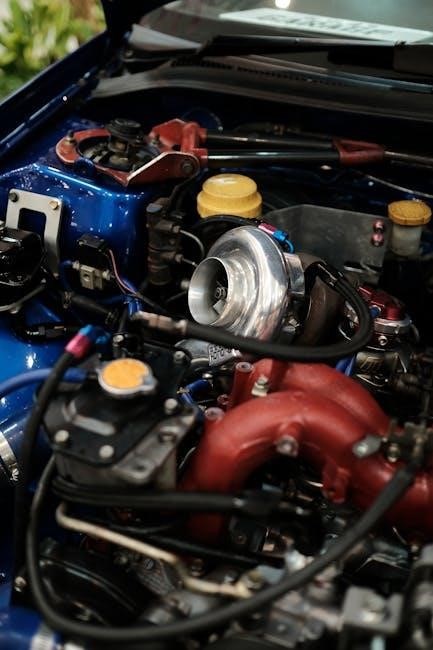
The 2010 Camaro’s engine can experience lifter failure, misfires, cooling system leaks, and oil consumption issues. Diagnosis requires careful inspection and testing.
Common Engine Problems (2010 Camaro)
The 2010 Chevrolet Camaro’s engine is known for several recurring problems. Lifter failure is a significant concern, sometimes occurring repeatedly even after replacement, as seen in similar 5.3L engines. Owners report engine issues, potentially leading to rough running or complete failure. Cooling system leaks, particularly from the water pump, can cause coolant loss and overheating.
Furthermore, excessive oil consumption is a frequently cited complaint. This can manifest as the need to frequently top off oil levels or, in severe cases, lead to engine damage. Misfires are also common, potentially stemming from faulty ignition components or fuel delivery issues; Addressing these problems promptly is crucial for maintaining engine health and preventing more extensive repairs.
Lifter Failure Diagnosis & Repair
Diagnosing lifter failure in a 2010 Camaro often begins with a ticking noise emanating from the engine. This sound typically increases with engine speed. A compression test can help pinpoint affected cylinders. If lifters fail repeatedly after replacement, investigate potential underlying causes like oil starvation or debris in the oil passages.
Repair involves removing the intake manifold and valve covers to access the lifters. Replacing all lifters simultaneously is highly recommended, even if only one is initially identified as faulty, to prevent future issues. Ensure proper lubrication during reassembly and verify oil pressure after completion. Consider inspecting the camshaft for damage, as worn lobes can contribute to lifter failure.
Engine Misfire Causes and Solutions
Engine misfires in the 2010 Camaro can stem from various sources. Common culprits include faulty spark plugs, ignition coils, fuel injectors, or vacuum leaks. A diagnostic scan tool will reveal the affected cylinder(s). Inspect spark plugs for wear or damage and test ignition coils for proper resistance.
Fuel injector issues can be identified by listening for clicking sounds during operation and checking fuel pressure. Vacuum leaks can cause a lean fuel mixture, leading to misfires; inspect hoses and intake manifold gaskets. In some cases, low compression due to worn piston rings or valves may be the root cause. Addressing the specific cause is crucial for a lasting repair.
Cooling System Issues (Water Pump Leaks)
A prevalent issue in the 2010 Camaro is water pump leakage, potentially leading to coolant loss and engine overheating. Look for visible coolant stains around the water pump housing. A failing water pump often exhibits whining or grinding noises, especially when the engine is cold. Inspect the weep hole on the pump for signs of leakage – this is often the first indicator of failure.
Coolant loss can also manifest as a sweet smell under the hood or low coolant levels in the reservoir. Replacing a leaking water pump requires draining the cooling system, removing the drive belt, and carefully installing the new pump with a fresh gasket. Always pressure test the system after repair to confirm leak-free operation.
Oil Consumption Problems
Excessive oil consumption has been reported in some 2010 Camaros, particularly those with the 6.2L V8 engine. Owners describe needing to add oil frequently between scheduled changes. Potential causes include worn piston rings, valve stem seals, or a failing PCV (Positive Crankcase Ventilation) valve. A blueish exhaust smoke is a strong indicator of oil burning.
Diagnosis often involves a compression test and leak-down test to assess cylinder health. Checking the PCV valve for proper function is a simpler first step. Severe oil consumption can lead to catalytic converter damage. Addressing this issue promptly is crucial to prevent further engine damage and maintain optimal performance.

Electrical System Troubleshooting
The 2010 Camaro’s electrical system can exhibit issues with the battery, anti-theft system, infotainment, and various sensors, requiring careful diagnosis.
Battery Charging System Warnings
A common concern with the 2010 Camaro involves the battery charging system. Owners have reported receiving “Service Battery” warnings, often stemming from alternator voltage fluctuations or faulty charging system sensors. Diagnosing this requires a multimeter to check the alternator’s output voltage – it should be between 13.5 and 14.5 volts while the engine is running.

Inspect the battery terminals for corrosion and ensure they are securely connected. A failing alternator is a frequent culprit, but also check the wiring harness for damage or loose connections. Sometimes, a weak battery itself can trigger the warning light, so a load test is recommended. Don’t overlook the possibility of a faulty voltage regulator within the alternator.
Anti-Theft System Issues & Key Problems
The 2010 Camaro’s anti-theft system, utilizing a raised-chip key, can sometimes cause frustrating issues. A prevalent problem is the vehicle refusing to start due to the system incorrectly recognizing the key. This often manifests as a “Theft Deterrent System” message displayed on the infotainment screen.
First, try using a spare key to rule out a faulty transponder chip in the primary key. If the spare works, the original key likely needs reprogramming or replacement. A low battery can also trigger false alarms, so ensure the battery is strong. If neither key works, the system may require professional diagnosis and reprogramming using a specialized scan tool. Inspect the key for physical damage as well.
Infotainment System Problems
The 2010 Camaro’s infotainment system, while offering basic functionality, can experience several glitches. Common complaints include the screen freezing, unresponsive touch controls, and audio system malfunctions. Sometimes, the system may simply fail to boot up, leaving a blank screen.
A simple reset can often resolve minor issues. Try disconnecting the negative battery terminal for 15-20 minutes to reset the system’s memory. Check for software updates available through Chevrolet, though updates for this older system are limited. If the problem persists, a faulty display screen or internal system component may be the culprit, requiring professional repair or replacement. Inspect wiring harnesses for damage or loose connections as well.
Sensor Faults (Boost Pressure Sensor)
For 2010 Camaros equipped with a turbocharged engine, the boost pressure sensor is crucial for optimal performance. A faulty sensor can lead to reduced power, poor fuel economy, and potentially engine damage. Diagnostic Trouble Codes (DTCs) related to boost pressure will illuminate the check engine light.

Locating the sensor (typically on or near the turbocharger) is the first step. Inspect the sensor connector and wiring for damage or corrosion. Use a multimeter to test the sensor’s resistance, comparing the reading to factory specifications. A failing sensor often requires replacement. Ensure proper installation and clear any related DTCs after replacement. Ignoring this issue can lead to further engine complications.

Transmission Troubleshooting
2010 Camaros can experience transmission overheating, particularly the M6 with potential output shaft failures. Fluid clarity changes also signal potential issues requiring attention.
Transmission Overheating Issues
Transmission overheating in the 2010 Camaro is a recognized concern, especially during extended driving or performance use. Symptoms include a noticeable loss of power, erratic shifting, or a burning smell. This often stems from insufficient transmission fluid cooling, potentially due to a failing transmission cooler or clogged lines.
Regularly check the transmission fluid level and condition; dark or burnt-smelling fluid indicates a problem. Inspect the transmission cooler lines for leaks or damage. Consider upgrading to a heavy-duty transmission cooler, particularly if the vehicle is frequently used for towing or spirited driving. Ignoring overheating can lead to severe transmission damage and costly repairs, so prompt diagnosis and intervention are crucial.
M6 Transmission Output Shaft Failure
A notable issue with the 2010 Camaro’s M6 (manual transmission) is the potential for output shaft failure. Early models experienced a higher incidence of this problem, often manifesting as a complete loss of drive. This failure typically occurs due to stress concentration points within the shaft itself, exacerbated by aggressive driving or modifications increasing engine power.
Symptoms include a loud snapping sound followed by an inability to engage gears. Prevention involves avoiding excessive clutch dumping and limiting modifications that significantly increase horsepower. If a failure occurs, replacement of the output shaft is necessary, and it’s often recommended to upgrade to a stronger aftermarket shaft for increased durability and reliability.
Transmission Fluid Clarity Changes
Monitoring transmission fluid condition is crucial for the 2010 Camaro, particularly with the 6-speed automatic or manual transmissions. Changes in fluid clarity – becoming dark, murky, or exhibiting metallic flakes – indicate internal wear or contamination. This can signal impending transmission issues, potentially leading to overheating or complete failure.
Regular fluid checks (every 30,000 miles or as recommended) are vital. Dark fluid suggests oxidation and loss of lubricating properties. Metallic flakes point to gear or bearing damage. Prompt fluid changes, using the correct GM-specified fluid, can mitigate further damage. Ignoring these signs can lead to costly transmission repairs or replacements, especially in vehicles subjected to spirited driving or towing.
Braking System Troubleshooting
The 2010 Camaro may display Service Parking Brake warnings alongside ABS lights, often due to faulty wheel speed sensors or module issues.
Service Parking Brake Warning & ABS Lights
The simultaneous illumination of the Service Parking Brake warning and the ABS light on a 2010 Chevrolet Camaro frequently indicates a problem within the braking system’s electronic control. Often, the root cause lies with a malfunctioning wheel speed sensor. These sensors provide crucial data to the ABS module, and a failure can trigger both warning lights. However, the issue isn’t always isolated to a single sensor; a faulty ABS module itself, or even wiring problems within the system, can also be responsible.
Diagnostic steps should begin with a scan for diagnostic trouble codes (DTCs) using an OBD-II scanner. These codes will pinpoint the affected sensor or system component. Visual inspection of the wheel speed sensors and their wiring is also crucial. Addressing corrosion or damage can resolve the issue. If codes point to the ABS module, professional diagnosis and potential replacement may be necessary.

Body & Interior Troubleshooting
Common concerns include seat belt/airbag malfunctions, water leaks in convertible tops, and frustrating door lock issues requiring careful diagnosis and repair.
Seat Belt/Airbag System Problems
The 2010 Camaro has reported issues with its seat belt and airbag systems, often triggering warning lights on the dashboard. These problems can range from faulty seat belt pretensioners – which deploy in a crash to tighten the belt – to sensor failures within the airbag control module. Diagnosing these issues requires a specialized scan tool capable of reading SRS (Supplemental Restraint System) codes.
Common symptoms include a continuously illuminated airbag warning light, or the light flashing intermittently. Sometimes, the issue stems from a simple wiring harness connector that has become loose or corroded. However, more complex problems may involve a defective airbag sensor located in the seat or a failing airbag control module itself, necessitating replacement. Always exercise extreme caution when working with SRS components, as improper handling can lead to accidental deployment.
Water Leaks (Convertible Top)
2010 Camaro convertibles are prone to water leaks, particularly around the top’s seals and latches. These leaks can manifest as dripping water onto passengers or pooling water in the trunk. Common culprits include worn or damaged weather stripping, a misaligned convertible top, or a clogged drain system designed to channel water away from the interior.
Troubleshooting begins with a visual inspection of the weather stripping for cracks or tears. Ensure the top is properly latched and aligned. Inspect the drain holes, typically located in the rocker panels, to confirm they are clear of debris. Applying a silicone-based lubricant to the seals can help restore their flexibility and improve their water-tightness. More significant leaks may require professional repair or replacement of the convertible top or its associated components;
Door Lock Issues
2010 Chevy Camaros can experience frustrating door lock problems, ranging from intermittent failures to complete lock-down. These issues often stem from faulty door lock actuators, worn wiring harnesses within the door jambs, or a malfunctioning body control module (BCM). Remote keyless entry systems can also contribute to lock problems if the receiver or transmitter is failing.
Initial troubleshooting involves checking the key fob battery and ensuring the BCM is functioning correctly. Inspect the wiring harnesses for any signs of damage or corrosion. A failing door lock actuator is a common cause and can be tested with a multimeter. Replacement of the actuator often resolves the issue. If the problem persists, a diagnostic scan can help pinpoint BCM-related faults requiring professional attention.
Specific Diagnostic Codes
Diagnostic trouble codes (DTCs) offer crucial insights into Camaro issues. Understanding codes like P0171 (fuel trim lean) is vital for accurate diagnosis and repair.
Understanding the P0171 Code (Fuel Trim Lean)
The P0171 code signifies a “System Too Lean” condition, indicating the engine is receiving too much air or not enough fuel. On the 2010 Camaro, this can manifest as rough idling, hesitation during acceleration, or even difficulty starting. Several factors can trigger this code, including vacuum leaks, a faulty mass airflow sensor (MAF), a failing fuel pump, or clogged fuel injectors.
Diagnosing requires checking for vacuum leaks around intake manifolds and hoses. Inspecting the MAF sensor for cleanliness and proper operation is also crucial. Fuel pressure testing will reveal if the fuel pump delivers adequate pressure. Finally, fuel injector testing can identify any blockages hindering fuel delivery. Addressing the root cause promptly prevents further engine damage.
Maintenance & Prevention
Regular oil changes, fluid checks, and timely component replacements are vital. Proactive maintenance minimizes the risk of common 2010 Camaro issues and extends longevity.
Regular Maintenance Schedule
Adhering to a strict maintenance schedule is crucial for your 2010 Camaro’s reliability. Every 7,500 miles (or six months, whichever comes first), perform an oil and filter change using the manufacturer’s recommended viscosity. Inspect all fluid levels – coolant, brake fluid, power steering, and transmission fluid – topping off as needed.
At 15,000 miles, replace the air filter and cabin air filter. Inspect the brake pads, rotors, and lines for wear and tear. Rotate tires to ensure even wear. By 30,000 miles, consider replacing spark plugs and inspecting belts and hoses for cracks or damage. Regularly check for any warning lights and address them promptly to prevent escalating issues.
Preventative Measures for Common Issues
Proactive steps can mitigate frequent 2010 Camaro problems. To combat potential lifter failure, ensure regular oil changes with high-quality oil and consider an oil analysis to monitor engine health. Address cooling system leaks immediately to prevent overheating and engine damage; inspect the water pump regularly.
For transmission issues, especially with the M6, avoid aggressive shifting and ensure proper fluid levels; Monitor the transmission fluid for clarity changes. Regularly test the battery and charging system to avoid anti-theft system malfunctions. Keep the convertible top clean and conditioned to prevent leaks. Promptly address any sensor faults indicated by diagnostic codes.
Resources & Further Help
Online Camaro forums and dedicated communities offer valuable insights. Repair manuals and detailed diagrams are essential for complex troubleshooting and repairs.
Online Forums & Communities
Engaging with online Camaro communities is incredibly beneficial for owners facing troubleshooting challenges. Platforms like Camaro5 and Camaro Forums host extensive threads detailing common issues specific to the 2010 model year. These forums allow you to search for solutions based on reported problems, connect with experienced owners who’ve tackled similar repairs, and gain access to a wealth of practical advice.
Members often share diagnostic tips, repair procedures, and even photos/videos of their work. You can post specific questions about your Camaro’s issues and receive tailored responses from knowledgeable enthusiasts. These communities are invaluable resources, often surpassing the information found in generic repair guides, providing real-world solutions and support.
Repair Manuals & Diagrams
Accessing a dedicated repair manual is crucial for in-depth 2010 Camaro troubleshooting. Chilton and Haynes manuals provide detailed step-by-step instructions, wiring diagrams, and component locations. These resources are essential for tackling complex repairs beyond basic maintenance. Digital versions are often available, offering convenient search functionality.
Factory service manuals, though more expensive, offer the most comprehensive information. They include detailed diagrams, torque specifications, and diagnostic flowcharts used by professional technicians. Online databases, sometimes subscription-based, also provide access to these manuals and technical service bulletins (TSBs) related to known Camaro issues. Having accurate diagrams simplifies identifying components and understanding system interactions.