
Discover the compact‚ energy-efficient Magic Chef small fridge‚ ideal for dorms‚ offices‚ or kitchens. This manual guides you through setup‚ features‚ and care to keep your beverages and snacks fresh. Keep it cool. Enjoy quick access.!
Key Features and Specifications
Experience the Magic Chef small refrigerator’s blend of style‚ performance‚ and convenience. Designed for tight spaces‚ its 10‑quart capacity delivers ample storage for drinks‚ snacks‚ and leftovers. The stainless‑steel finish adds a modern touch‚ while the adjustable glass shelves allow you to customize the interior layout to fit larger bottles or flat items. A built‑in LED light illuminates the entire compartment‚ ensuring you can locate items even in low‑light conditions. The 3‑zone temperature control lets you set a cooler zone for beverages and a warmer zone for deli items‚ maintaining optimal freshness. Energy Star‑rated‚ the unit consumes only 140 kWh per year‚ helping you reduce utility costs while staying eco‑friendly. A quiet compressor keeps noise levels below 38 dB‚ making it perfect for bedrooms and offices. The refrigerator includes a 12‑month limited warranty‚ a user‑friendly manual‚ and a dedicated customer support line for any questions. With its compact footprint (15.5 in. × 19.5 in. × 25 in.) and lightweight design‚ it can be easily moved or stored in small apartments‚ dorm rooms‚ or commercial spaces. The Magic Chef small refrigerator combines durability‚ efficiency‚ and versatility‚ making it an essential appliance for modern living. Its sleek‚ minimalist design fits seamlessly into any décor‚ while the integrated app connectivity allows you to monitor temperature from your smartphone‚ ensuring you never run out of essentials. now

Safety Precautions Before Use
Place the fridge on a level surface‚ 2 inches from walls for ventilation. Keep it away from heat‚ sunlight‚ and flammable items. Use a grounded outlet; avoid extension cords. Ensure door seals are clean. Follow these safety steps for reliable operation and keep unit ventilated for safe performance.
Electrical Safety Guidelines
Before operating your Magic Chef small refrigerator‚ observe these electrical safety measures. Ensure the unit is plugged into a dedicated‚ grounded outlet that meets the appliance’s voltage and amperage requirements. Avoid using extension cords or power strips‚ as they can overheat and pose a fire risk. If the outlet is not grounded‚ have a qualified electrician install a GFCI or proper grounding. Keep the refrigerator away from water sources‚ humid rooms‚ or places where condensation may accumulate on the power cord. Inspect the power cord and plug for fraying‚ exposed wires‚ or damage; replace immediately if any defects are found. Do not place the appliance on a rug or carpet that can trap heat; use a flat‚ stable surface. When cleaning or servicing the fridge‚ unplug it from the outlet and wait at least 30 minutes before touching the internal components. Never attempt to repair electrical components yourself; contact an authorized service technician. Follow local electrical codes and regulations to ensure compliance and safety. By adhering to these guidelines‚ you protect both the appliance and your household from electrical hazards.
Also‚ ensure the refrigerator’s power cord is not kinked or stretched‚ as it can overheat very!! If you hear unusual noises‚ unplug the unit and inspect for debris. Regularly check the door gasket to prevent energy loss and maintain efficiency. Always keep the power cord away heat sources and ensure it is in condition to prevent hazards.
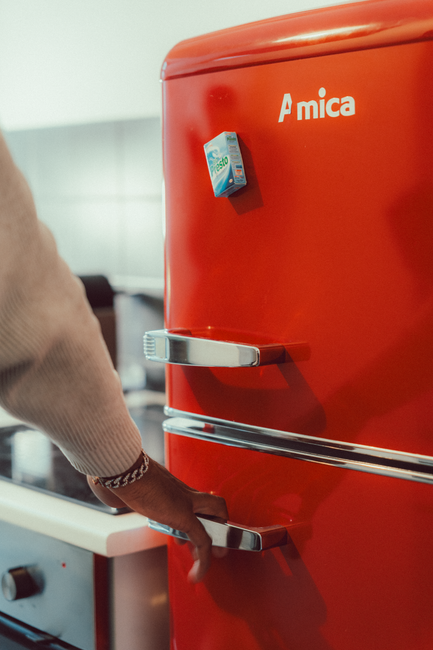
Appliance Overview
The Magic Chef small refrigerator delivers efficient cooling in a sleek‚ compact design. Its stainless steel finish‚ adjustable shelves‚ and energy‑star rating make it ideal for tight spaces. The unit offers 1.5 cubic feet of storage‚ a built‑in defrost cycle‚ and quiet operation for optimal use.!!
Exterior Dimensions and Design
Measuring 15.5 inches in width‚ 15.5 inches in depth‚ and 23.5 inches in height‚ the Magic Chef small refrigerator offers a compact footprint suitable for tight spaces. Its sleek stainless‑steel exterior features a brushed finish that resists fingerprints and stains‚ while a subtle chrome trim accentuates the unit’s modern aesthetic. The front panel incorporates a single pull‑out door with a clear‚ insulated glass panel that provides a quick view of contents without opening the door‚ preserving internal temperature. Inside the adjustable shelving system allows for flexible storage of beverages‚ condiments‚ and small snack packs. The lower compartment houses a small‚ dedicated freezer drawer with a 1.5‑cubic‑foot capacity‚ ideal for frozen treats and small grocery items. The refrigerator’s energy‑efficient compressor and evaporator coils are engineered to maintain consistent cooling while minimizing power consumption‚ earning it an ENERGY STAR certification. The unit’s quiet operation is achieved through a low‑noise fan and vibration‑damping mounts‚ ensuring it can be placed near living areas or bedrooms without disturbing occupants‚ while its LED interior lighting provides bright‚ energy‑saving illumination that automatically turns on when the door opens‚ and its sleek‚ space‑saving design makes it a versatile addition to any compact living environment. Its compact footprint and low energy consumption make it ideal for students‚ small apartments‚ or space needing efficient cooling today!.

Parts and Functions
Key components include the compressor‚ condenser‚ evaporator‚ thermostat‚ and defrost timer. The compressor drives the refrigerant cycle‚ while the condenser dissipates heat. The evaporator cools interior air‚ and the thermostat regulates temperature. The defrost timer prevents ice buildup.
Cooling System Components
The Magic Chef small refrigerator’s cooling system is a compact assembly designed for reliable temperature control. At the heart of the system is a sealed‚ single‑compressor unit that pressurizes the refrigerant‚ raising its temperature before it enters the condenser coils. The compressor is mounted on the rear panel and is driven by the refrigerator’s internal fan‚ which circulates air over the condenser to dissipate heat. The condenser‚ a series of copper tubes wrapped around the outer casing‚ releases the heat absorbed from the refrigerant into the surrounding environment. After cooling‚ the refrigerant flows through an expansion valve‚ which reduces its pressure and temperature‚ preparing it for the evaporator stage. The evaporator coils‚ located beneath the shelving inside the fridge compartment‚ absorb heat from the interior air‚ turning the refrigerant into a low‑pressure gas. A thermostat‚ positioned near the evaporator‚ continuously monitors the internal temperature and signals the compressor to cycle on or off‚ maintaining the set point with minimal energy waste. A built‑in defrost timer periodically activates a heating element that melts any frost buildup on the evaporator‚ preventing ice accumulation and ensuring consistent cooling performance. Together‚ these components work in harmony to deliver steady‚ reliable refrigeration while keeping noise levels low and energy consumption within the manufacturer’s specifications. Regular daily maintenance‚ such as cleaning the condenser coils and checking the thermostat‚ helps preserve the efficiency and longevity of the cooling system.

Installation Instructions
Place the fridge on a level floor‚ leaving 2 inches clearance on all sides for airflow. Connect the power cord to a grounded outlet‚ ensuring the voltage matches the unit’s rating. Allow the refrigerator to run for 24 hours before loading. Check for leaks and proper temperature. Keep vents clear now!!!??

Placement and Ventilation Requirements
Before installing the Magic Chef small refrigerator‚ ensure it is positioned on a stable‚ level surface to prevent vibration and maintain optimal cooling performance. The unit requires a minimum clearance of 2 inches (5 cm) on all sides‚ with a larger gap (4–6 inches) behind the back panel to allow proper airflow. Avoid placing the fridge directly against walls‚ cabinets‚ or other appliances‚ as restricted airflow can lead to overheating and reduced efficiency. The recommended placement area should have a temperature range of 60–80 °F (15–27 °C) and should not be exposed to direct sunlight‚ heat sources‚ or drafts. When situating the refrigerator in a kitchen or office‚ consider the location of the power outlet; the unit’s power cord should be connected to a grounded‚ 120‑V outlet with a 15‑amp circuit‚ and the cord should not be coiled or kinked. Additionally‚ keep the refrigerator away from heat‑emitting devices such as ovens‚ stoves‚ or large lamps‚ which can raise internal temperatures and increase energy consumption. For optimal performance‚ place the fridge on a flat floor or a sturdy‚ non‑porous surface; avoid carpeting or uneven flooring that could impede airflow. Finally‚ after installation‚ allow the refrigerator to run for at least 24 hours before adding food‚ ensuring the compressor and cooling system stabilize. Proper placement and ventilation will extend the appliance’s lifespan and maintain energy efficiency.Ensure clearance to maintain efficiency and longevity.
Operating Instructions
Plug the unit into a grounded outlet. Turn the dial to the desired temperature‚ typically 35–40°F for the fridge and 0°F for the freezer. Keep the door closed‚ avoid overloading‚ and allow the compressor to cycle fully before adding items. Ensure proper ventilation.

Setting Temperature Controls
Use a digital thermometer to verify accuracy‚ and adjust the dial if readings differ by more than 2°F. Keep the unit free of obstructions and check the door gasket regularly for leaks and no moisture in door.!seal.OK
Use a digital thermometer to verify accuracy‚adjust the dial if readings differ by more than 2°F Keep the unit free of obstructions‚ check the door gasket regularly for leaksno moisture indoor‚ seal.OK
The temperature control dial on the front panel ranges from 1 (warmest) to 10 (coldest). For most users‚ setting the fridge to 4–5 and the freezer to 1–2 keeps food fresh. Turn the dial clockwise to increase temperature (warmer) or counter‑clockwise to decrease (cooler). The unit’s thermostat will regulate once the setting is reached. Allow the fridge to stabilize before adding perishable items; hot food can raise internal temperature and cause spoilage. If the temperature rises more than 2°F above the set point‚ check the door gasket and ensure the unit isn’t overloaded‚ which can restrict airflow. Keep the door closed as much as possible for energy efficiency. The display shows the current temperature in °F. If the unit fails to cool‚ unplug for 30 minutes to reset the compressor‚ then plug back in and re‑set the temperature. Clean the condenser coils every few months to maintain performance.
When setting the temperature‚ remember the fridge’s interior will fluctuate slightly when the door opens; The thermostat compensates. Avoid placing large hot items; let them cool. Ensure vents are clear of obstructions. If the fridge takes longer than usual to reach the set temperature‚ clean the condenser coils with a brush or vacuum. A clean condenser improves heat transfer and reduces power use; Keep door latch tight; a loose latch lets warm air in‚ forcing the compressor harder.

Maintenance and Cleaning
Keep the Magic Chef small refrigerator clean by wiping shelves with warm‚ soapy water. Remove crumbs daily. Defrost the freezer weekly‚ using a towel to absorb water. Clean the condenser coils every 3 months with a brush. Store items in sealed containers to reduce odors. Keep door seal tight daily!
Routine Cleaning Procedures
Routine cleaning of your Magic Chef small refrigerator ensures longevity and optimal performance. Begin by unplugging the unit and allowing it to cool completely. Remove all food items‚ placing them in a cooler or separate fridge to maintain freshness. Carefully detach removable shelves and drawers‚ washing them in warm‚ soapy water. Rinse thoroughly and dry with a clean cloth. For the interior walls‚ use a mild detergent mixed with water; avoid harsh chemicals that could damage the finish. Gently wipe all surfaces‚ paying special attention to corners where crumbs accumulate. The door seals should be inspected for cracks or mold; clean them with a soft brush and mild soap‚ then dry completely. To prevent odors‚ place an open box of baking soda in the fridge; replace every month. The condenser coils‚ located behind the back panel‚ should be vacuumed or brushed every three months to remove dust buildup‚ which can reduce cooling efficiency. Use a mixture of equal parts water and white vinegar to clean the interior‚ as it neutralizes odors and disinfects surfaces. Test the temperature with a refrigerator thermometer; the ideal range is 35°F to 38°F (1.7°C to 3.3°C). If the fridge runs too hot‚ check the thermostat settings and ensure vents are unobstructed. Keep the door latch mechanism lubricated with a silicone spray to prevent squeaks. Store items in airtight containers to preserve freshness and reduce spill risk. Periodically inspect the water filter‚ if equipped‚ and replace it every six months to maintain water quality. Finally‚ reassemble the shelves and ensure the fridge is level on the floor to allow proper airflow. After reassembly‚ plug the unit back in‚ set the temperature to the recommended setting‚ and allow the fridge to stabilize before returning food. Keep a cleaning log to track datesperformance day

Troubleshooting Guide
Check power‚ ensure outlet works. Verify thermostat set correctly. Inspect door seal for gaps. Clean condenser coils. If still not cooling‚ contact service. Avoid overloading. Keep vents clear. Reset by unplugging 30 sec. Check fan motor‚ listen for noise. If compressor clicks‚ call technician.
Common Issues and Fixes
If the unit fails to cool‚ first verify that the refrigerator is properly plugged into a functioning outlet. Check the circuit breaker and ensure the power cord is undamaged. A tripped breaker or a faulty plug can cause intermittent operation.
If the fridge door seal is compromised‚ food may not stay cold. Inspect the gasket for cracks or missing sections. Clean with warm soapy water‚ then dry thoroughly. Replace the seal if it remains damaged to restore proper pressure and cooling efficiency.
Excessive noise from the compressor may indicate a worn motor bearing. Listen for a high‑pitch whine or grinding sound. If present‚ schedule a service appointment. Also‚ check the condenser fan; a blocked fan can cause overheating and noise.
If the refrigerator stops cooling entirely‚ verify the thermostat setting and ensure the temperature dial is not set too high. Check for power surge protection. If the compressor fails‚ the unit will not run; contact authorized service for repair.
Check the evaporator coils for frost; defrost if buildup exceeds 1/4 inch. Ensure the door gasket is seated; a misaligned seal causes air leaks. Verify the condenser fan motor runs smoothly; a sluggish fan reduces cooling. If the compressor’s start relay fails‚ replace it per the manual restore cycling now. Finally‚ check the water inlet valve for clogs; a blocked valve can prevent ice maker operation‚ causing a warm compartment.